|


| Quantity: | |
|---|---|
Soren20060930
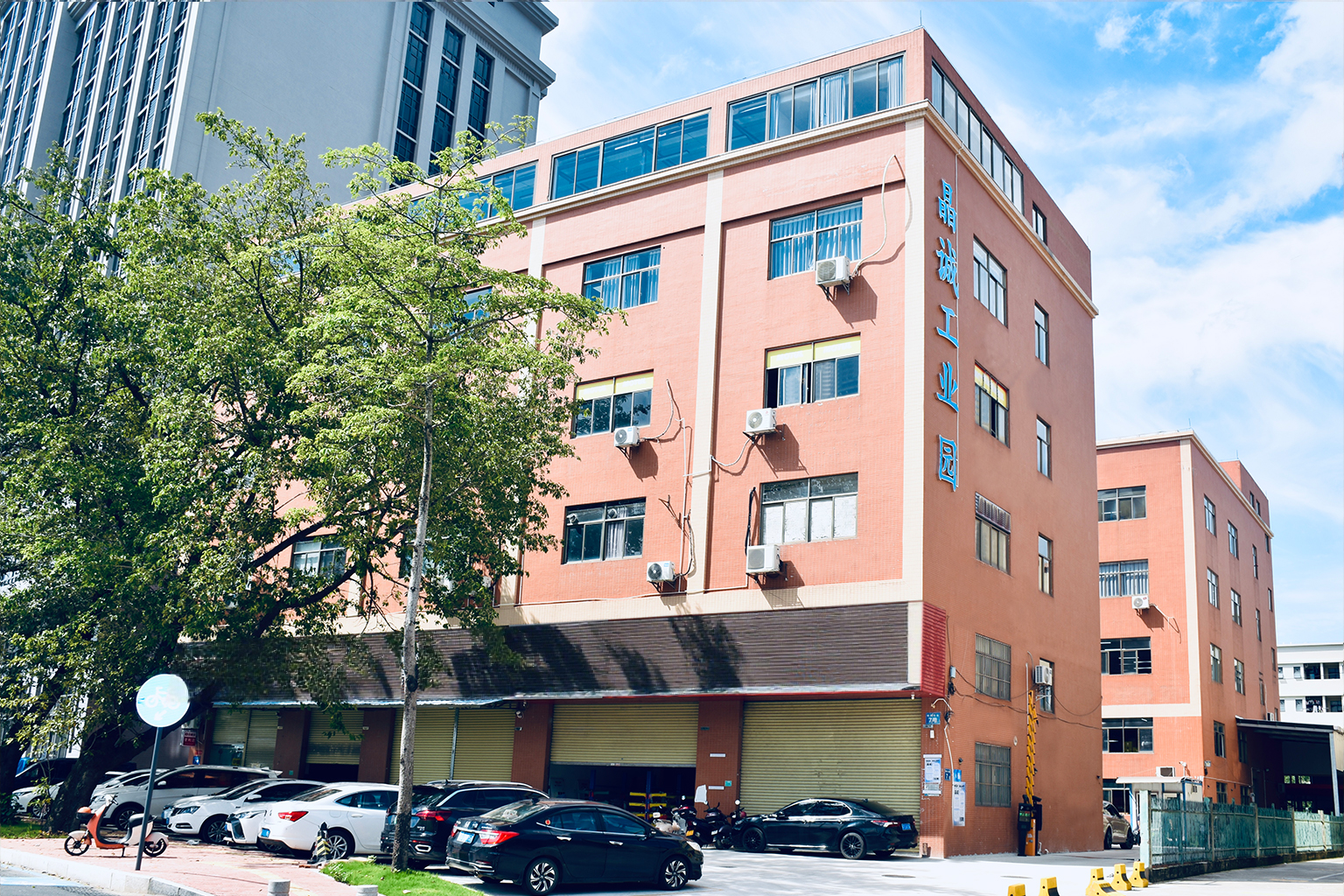
JINGCHENG
3917290000 3904610000 3917390000
Industrial and transportation equipment often needs to move aggressive fluids through a limited amount of space.
The hose may need to pass around:
structural frames,
engines,
pumps,
tanks,
valves,
other fluid lines.
At the same time, the transferred medium may include:
fuel,
gas,
strong acids,
strong alkalis,
organic solvents.
These applications require a hose that provides both chemical compatibility and substantial mechanical reinforcement.
The JCC-03100-PTFE wire-wound braided hose uses a multi-layer construction designed for demanding fluid-transfer systems.
According to the catalog, its structure consists of:
PTFE Inner Tube + One or Two Layers of Copper-Plated Steel Wire Winding + 304 Stainless Steel Braided Outer Layer
The product is described as relatively lightweight and flexible in bending, with a temperature range of approximately:
-65°C to +220°C
and working pressure up to approximately 44 MPa depending on hose size.
High-pressure systems usually require stronger reinforcement.
Stronger reinforcement can make the hose:
thicker,
heavier,
less flexible.
This creates a design conflict.
The hose must withstand pressure, but it also needs to fit inside the machine.
Transportation equipment can make this especially difficult because the fluid lines may share space with:
electrical wiring,
mechanical components,
cooling systems,
fuel systems,
structural members.
Hose construction therefore affects both pressure performance and equipment packaging.
The JCC-03100 is not built like a standard single-braid PTFE hose.
Its reinforcement includes one or two layers of copper-plated steel wire winding in the middle section.
The outer layer then uses 304 stainless steel braided reinforcement.
This creates a multi-stage structure around the PTFE tube.
The wire-wound layer helps reinforce the hose while the stainless braid provides further mechanical support and external protection.
The inner fluid-contact layer is PTFE.
The catalog lists transmission media including:
fuel,
gas,
strong acids,
strong alkalis,
organic solvents.
This broad media range makes the product relevant to equipment where conventional elastomer hoses may have limited compatibility.
Actual suitability should still be checked for the specific chemical, concentration and temperature.
The catalog lists four primary sizes:
1/2"
5/8"
3/4"
1"
Selected working pressures are approximately:
1/2" — 6,394.5 psi / 44 MPa
5/8" — 5,165.6 psi / 36 MPa
3/4" — 4,756 psi / 33 MPa
1" — 3,918.6 psi / 27 MPa
These values make the hose relevant to demanding high-pressure fluid systems.
The catalog also lists substantial burst-pressure values, but normal system design should be based on the appropriate working-pressure limit rather than burst pressure.
Fuel lines can impose several requirements at the same time.
A hose may need:
chemical compatibility,
pressure capability,
temperature resistance,
flexible routing.
The JCC-03100 product information specifically identifies fuel transfer as an application.
This makes it relevant to suitable fuel-delivery systems in:
industrial machinery,
transportation equipment,
specialized mobile systems.
Organic solvents can be challenging for many conventional hose materials.
PTFE provides broad resistance to many solvent families.
A wire-reinforced PTFE hose can therefore be considered where solvent transfer must also occur under substantial mechanical or pressure requirements.
Potential applications may include:
chemical processing,
industrial cleaning systems,
manufacturing equipment,
solvent circulation systems.
The catalog also identifies strong acids and strong alkalis.
These fluids require careful material selection because an unsuitable hose can deteriorate rapidly.
The PTFE inner tube provides the fluid-contact barrier, while the metal reinforcement supports the pressure structure.
The exact metal fittings should also be selected according to the chemical environment because the fluid-contact hose liner is only one component of the finished assembly.
The catalog specifies a temperature range of approximately:
-65°C to +220°C
This makes the hose suitable for a broad variety of thermal conditions.
Potential applications may involve:
cold-start environments,
heated process fluids,
engine-related systems,
industrial process machinery.
Pressure requirements should always be checked at the actual operating temperature.
Available internal diameters include approximately:
1/2" — 12.7 mm
5/8" — 15.8 mm
3/4" — 18.8 mm
1" — 25 mm
Larger diameter provides more flow area but also increases:
outer diameter,
bending radius,
weight,
installation space.
This trade-off is particularly important in compact transportation and industrial machinery.
The catalog lists minimum bending radii of approximately:
1/2" — 90 mm
5/8" — 120 mm
3/4" — 150 mm
1" — 225 mm
These values should be included in the machine layout during design.
Forcing a high-pressure hose into a tighter radius can create unnecessary stress and reduce installation reliability.
Many systems use rigid piping for the majority of a fluid circuit.
However, short flexible sections may still be useful near:
pumps,
engines,
tanks,
replaceable modules,
moving assemblies.
A common design approach is:
Rigid Pipe → Reinforced Flexible PTFE Hose → Equipment Port
This allows the flexible section to accommodate installation geometry while the majority of the circuit remains rigid.
When rigid lines do not align with equipment ports, installers may add:
elbows,
adapters,
intermediate connectors.
Each additional connection increases assembly complexity.
A customized flexible hose can sometimes connect the two interfaces directly.
This can simplify routing, especially where the hose must pass through a crowded machine area.
The catalog identifies hydraulic machinery as one of the application areas.
In these systems, reinforced PTFE hose may be useful where:
high pressure is required,
chemical compatibility matters,
equipment packaging is limited.
The actual hydraulic fluid and operating conditions should be confirmed before selection.
The catalog also identifies:
trains,
automobiles,
ships,
aircraft.
These platforms frequently contain multiple fluid systems such as:
fuel,
coolant,
lubricant,
hydraulic fluid.
Each system has its own requirements, and the hose configuration should be qualified for the specific equipment.
The catalog further references:
rockets,
spacecraft,
satellites.
These are specialized fields with demanding engineering and qualification requirements.
Catalog suitability alone should not be treated as qualification for a specific aerospace program.
Any such application requires project-specific evaluation, testing and documentation.
The hose may tolerate aggressive chemicals, but the fitting must also be compatible with the medium.
The complete assembly should consider:
fitting alloy,
sealing method,
thread standard,
working pressure,
temperature.
For high-pressure applications, the fitting and crimp zone are critical parts of the finished hose.
For existing machinery, customers may not always have a complete technical drawing.
Jingcheng can begin matching from:
original hose photographs,
hose dimensions,
equipment model,
fitting photographs,
operating pressure,
operating temperature,
transported medium.
An original sample can also provide useful dimensional information.
Jingcheng can customize:
hose length,
inner diameter,
end fittings,
thread standards,
fitting orientation,
complete hose assemblies.
For machine manufacturers, the hose can be developed around the available routing space and fluid requirements.
For selection of JCC-03100, please provide:
transported medium,
working temperature,
working pressure,
maximum expected pressure,
required flow rate,
hose length,
inner diameter,
minimum bending radius,
fitting specifications,
equipment type.
This allows the reinforcement, hose size and connections to be matched to the real application.
Jingcheng manufactures PTFE tubes and reinforced hose assemblies for industrial equipment applications.
Capabilities include:
PTFE tube production,
steel-wire reinforcement,
stainless steel braiding,
custom fittings,
OEM hose development,
replacement hose matching,
sample support,
short lead time,
factory-direct pricing,
export experience.
Compact high-pressure fluid systems require a balance between chemical compatibility, mechanical reinforcement and installation flexibility.
The JCC-03100 wire-wound PTFE hose combines a PTFE inner tube with copper-plated steel wire winding and 304 stainless steel braid.
With working pressures up to approximately 44 MPa, a temperature range of approximately -65°C to +220°C, and compatibility with media categories including fuel, gas, strong acids, strong alkalis and organic solvents, it provides a reinforced flexible option for demanding machinery and transportation equipment.
The most effective hose design should match: