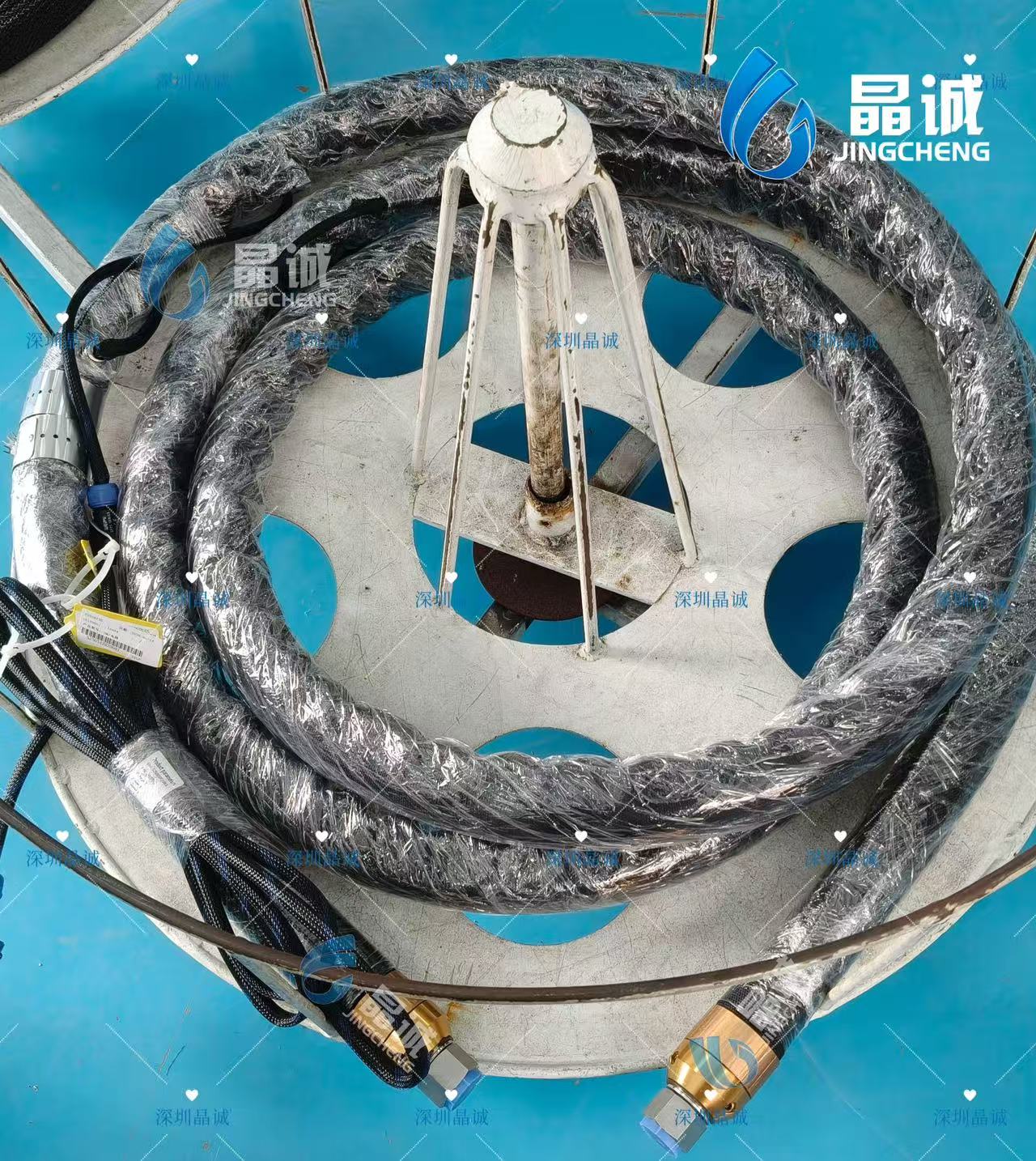
PTFE Tubing for Potting Machines (Best all-around)
Best for: solvent-heavy environments, corrosive media, and “sticky” resins that tend to foul lines.
Why it works:
Broad chemical resistance to most solvents and cleaning agents
Low surface energy helps reduce sticking and resin build-up
Strong thermal capability for typical potting applications
Considerations: PTFE is typically stiffer than many plastics. For tight routing, moving axes, or cable chains, flexibility and bend-life can be improved through wall thickness, OD design, protective jackets, or segmented routing.
FEP Tubing (Transparent, easier to route)
Best for: applications where you want visual inspection (air bubbles, flow stability) and smoother routing.
Why it works:
Excellent transparency—helps with degassing verification and troubleshooting
Often more flexible than PTFE
Considerations: FEP may have lower maximum temperature capability than PTFE/PFA depending on your process—verify your real operating temperature near heaters.
PFA Tubing (Premium stability for higher demands)
Best for: higher-temperature operation, higher cleanliness expectations, and critical process stability.
Why it works:
Excellent chemical resistance and thermal performance
Smoother inner surface can improve consistency and reduce adhesion
Considerations: PFA typically costs more; many plants use it selectively in critical sections (e.g., near the mixing head, or high-temperature zones).
Quick rule of thumb
Want maximum chemical resistance + anti-stick performance → PTFE
Want transparent monitoring + easier routing → FEP
Want premium stability at higher temperature / stricter processes → PFA