| Availability: | |
|---|---|
| Quantity: | |
Soren20060123
JINGCHENG
3917290000 3904610000 3917390000
Designed for gas detection and sampling applications, this heated gas sampling hose helps maintain transfer temperature and reduce condensation or viscosity-related instability during sampling and analysis. It is widely used in flue gas pretreatment equipment, online monitoring systems, IR/UV sampling analyzers, and laboratory detection devices, where stable temperature and reliable routing are critical.
This hose is built to be bend-resistant, fold-resistant, and stable in heat retention—supporting consistent sampling performance in demanding environments.
Max operating temperature: up to 230°C (design-dependent).
Stable insulation performance: engineered for heat retention and stable transfer temperature.
Uniform heating structure: evenly woven heating elements to minimize inner-wall temperature variation.
High-efficiency insulation materials: designed with surface temperature considerations while improving insulation efficiency.
In gas sampling, temperature drop along the line can cause condensation, adsorption, or unstable sample delivery, which impacts analyzer accuracy and increases maintenance. Heated hoses are commonly used to transfer media at controlled temperature for insulation + heat tracing, helping prevent viscous or temperature-sensitive media from solidifying or changing viscosity during transfer.
For gas detection systems, stable temperature transfer helps:
reduce condensation risk in sampling lines
improve stability for analyzer inlet conditions
reduce interruptions and unplanned downtime
The heating layer uses evenly woven heating elements, minimizing temperature differences along the inner wall to support stable sampling transfer.
High-insulation-efficiency materials support stable temperature maintenance while considering surface temperature requirements.
Designed for gas sampling/detection setups where hoses must be bend-resistant and reliable under long-term operation, including flue gas pretreatment, online monitoring, IR/UV analyzers, and lab equipment.
Final ratings depend on your exact configuration. For fast selection, share your temperature/pressure/media and fitting requirements.
| ID (inch) | OD (mm) | Working Pressure (bar) | Working Pressure (psi) | Burst Pressure (bar) | Burst Pressure (psi) | Min Bend Radius (mm) |
|---|---|---|---|---|---|---|
| 3/16” | 7.6 | 203 | 2936 | 810 | 11745 | 30 |
| 1/4” | 9 | 173 | 2501 | 690 | 10005 | 30 |
| 5/16” | 11 | 158 | 2284 | 630 | 3915 | 40 |
One key advantage of our electrically heated hoses is build-to-order customization based on your temperature, viscosity/flow behavior, and installation conditions.
Common build-to-order parameters include:
Voltage: 12Vac–380Vac range (typical options include 380Vac / 220Vac / 110Vac / 12Vdc).
Sensor options: J-type / K-type / NI120 / PT100 / PT1000 (or no sensor).
Length & diameter: selectable ranges and custom builds supported.
Pressure & power selection: configurable by requirement.
Fittings: metric/imperial options and custom connection layouts.
For efficient spec confirmation, the catalog coding logic includes temperature, hose diameter, liner type, voltage, sensor type, and pressure code—helping you lock configuration quickly for quoting and production alignment
To recommend the best configuration quickly, please provide:
Sampling media and whether condensation risk exists
Operating temperature (normal / max)
Operating pressure (normal / peak)
Required ID, length, routing constraints, and minimum bend radius
Fitting type/standard and connection layout (photos preferred)
Power supply voltage + whether you need sensor / closed-loop control (PID
About us
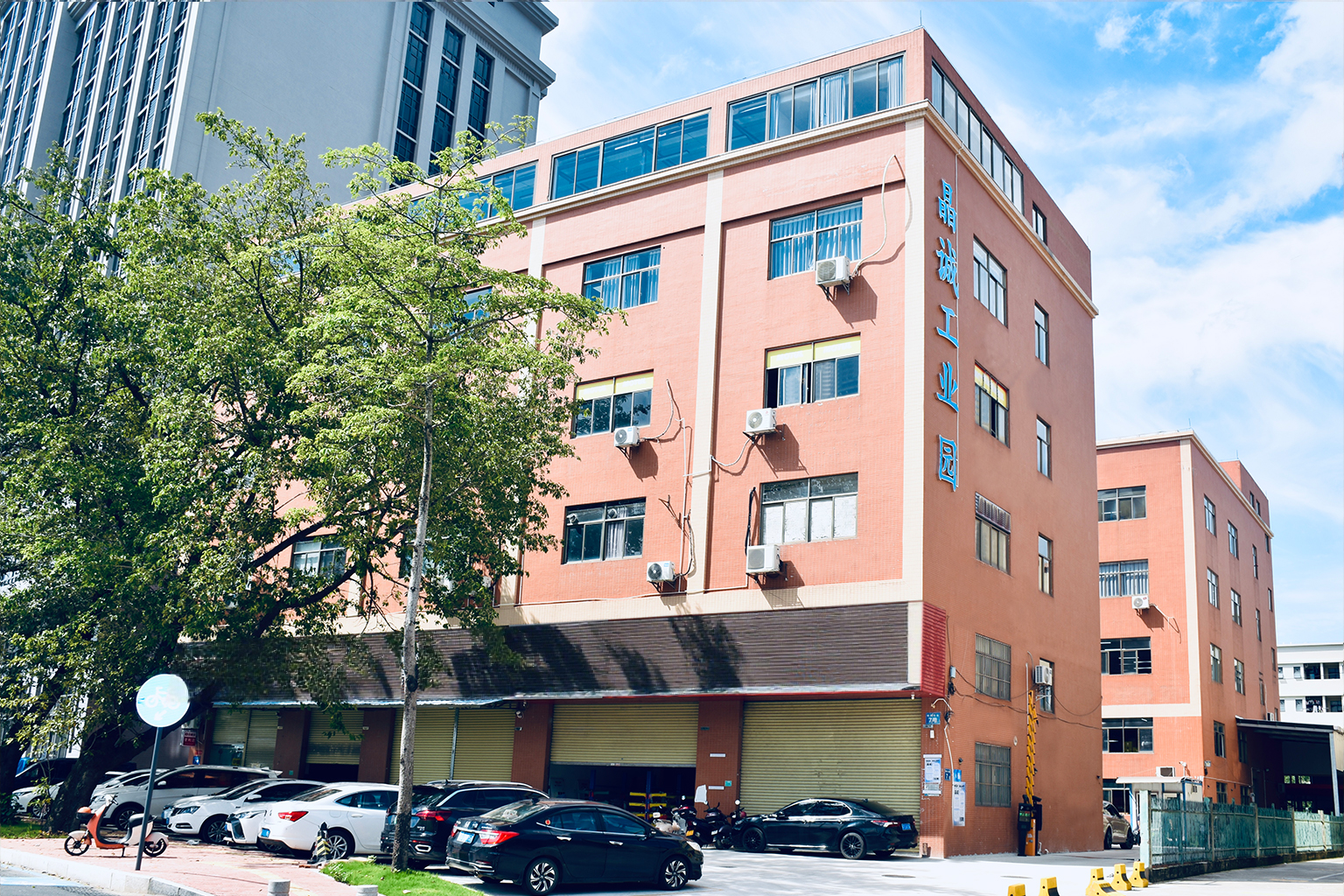
Shenzhen Jingcheng High-tech Co., Ltd. manufactures electrically heated hoses and PTFE-based transfer solutions for demanding industrial processes. We specialize in build-to-spec assemblies—matching your temperature, pressure, media, routing constraints, voltage, sensors, and end fittings. Our workflow is straightforward: inquiry → specification confirmation → quotation → production → inspection & packing → shipment to your designated address, with engineering support throughout to ensure a reliable fit and stable performance on your line.
Designed for gas detection and sampling applications, this heated gas sampling hose helps maintain transfer temperature and reduce condensation or viscosity-related instability during sampling and analysis. It is widely used in flue gas pretreatment equipment, online monitoring systems, IR/UV sampling analyzers, and laboratory detection devices, where stable temperature and reliable routing are critical.
This hose is built to be bend-resistant, fold-resistant, and stable in heat retention—supporting consistent sampling performance in demanding environments.
Max operating temperature: up to 230°C (design-dependent).
Stable insulation performance: engineered for heat retention and stable transfer temperature.
Uniform heating structure: evenly woven heating elements to minimize inner-wall temperature variation.
High-efficiency insulation materials: designed with surface temperature considerations while improving insulation efficiency.
In gas sampling, temperature drop along the line can cause condensation, adsorption, or unstable sample delivery, which impacts analyzer accuracy and increases maintenance. Heated hoses are commonly used to transfer media at controlled temperature for insulation + heat tracing, helping prevent viscous or temperature-sensitive media from solidifying or changing viscosity during transfer.
For gas detection systems, stable temperature transfer helps:
reduce condensation risk in sampling lines
improve stability for analyzer inlet conditions
reduce interruptions and unplanned downtime
The heating layer uses evenly woven heating elements, minimizing temperature differences along the inner wall to support stable sampling transfer.
High-insulation-efficiency materials support stable temperature maintenance while considering surface temperature requirements.
Designed for gas sampling/detection setups where hoses must be bend-resistant and reliable under long-term operation, including flue gas pretreatment, online monitoring, IR/UV analyzers, and lab equipment.
Final ratings depend on your exact configuration. For fast selection, share your temperature/pressure/media and fitting requirements.
| ID (inch) | OD (mm) | Working Pressure (bar) | Working Pressure (psi) | Burst Pressure (bar) | Burst Pressure (psi) | Min Bend Radius (mm) |
|---|---|---|---|---|---|---|
| 3/16” | 7.6 | 203 | 2936 | 810 | 11745 | 30 |
| 1/4” | 9 | 173 | 2501 | 690 | 10005 | 30 |
| 5/16” | 11 | 158 | 2284 | 630 | 3915 | 40 |
One key advantage of our electrically heated hoses is build-to-order customization based on your temperature, viscosity/flow behavior, and installation conditions.
Common build-to-order parameters include:
Voltage: 12Vac–380Vac range (typical options include 380Vac / 220Vac / 110Vac / 12Vdc).
Sensor options: J-type / K-type / NI120 / PT100 / PT1000 (or no sensor).
Length & diameter: selectable ranges and custom builds supported.
Pressure & power selection: configurable by requirement.
Fittings: metric/imperial options and custom connection layouts.
For efficient spec confirmation, the catalog coding logic includes temperature, hose diameter, liner type, voltage, sensor type, and pressure code—helping you lock configuration quickly for quoting and production alignment
To recommend the best configuration quickly, please provide:
Sampling media and whether condensation risk exists
Operating temperature (normal / max)
Operating pressure (normal / peak)
Required ID, length, routing constraints, and minimum bend radius
Fitting type/standard and connection layout (photos preferred)
Power supply voltage + whether you need sensor / closed-loop control (PID
About us
Shenzhen Jingcheng High-tech Co., Ltd. manufactures electrically heated hoses and PTFE-based transfer solutions for demanding industrial processes. We specialize in build-to-spec assemblies—matching your temperature, pressure, media, routing constraints, voltage, sensors, and end fittings. Our workflow is straightforward: inquiry → specification confirmation → quotation → production → inspection & packing → shipment to your designated address, with engineering support throughout to ensure a reliable fit and stable performance on your line.
